The lactose intolerance diet, without the guesswork
The instinct is to cut dairy completely. For most people with lactose intolerance, that's overkill: the goal isn't zero dairy, it's managed dairy. Here's what actually needs to change.
The one-line version: lactose intolerance is dose-dependent, so the diet isn't "no dairy". It's lower-lactose choices (aged cheese, yogurt, butter), lactose-free versions of the rest, and a lactase enzyme supplement for the dairy you didn't pick. Most people don't need to eliminate dairy; they need to know their threshold.
Start with what you can probably keep
Lactose content varies enormously across dairy products, and that variation is the whole diet strategy. The processing that turns milk into cheese, yogurt, or butter removes or breaks down most of the lactose along the way, which is why plenty of people who react badly to a glass of milk have zero issue with a cheese board.
- Aged, hard cheeses: cheddar, parmesan, gouda, swiss — have only trace lactose. Aging and the cheese-making process leave very little sugar behind.
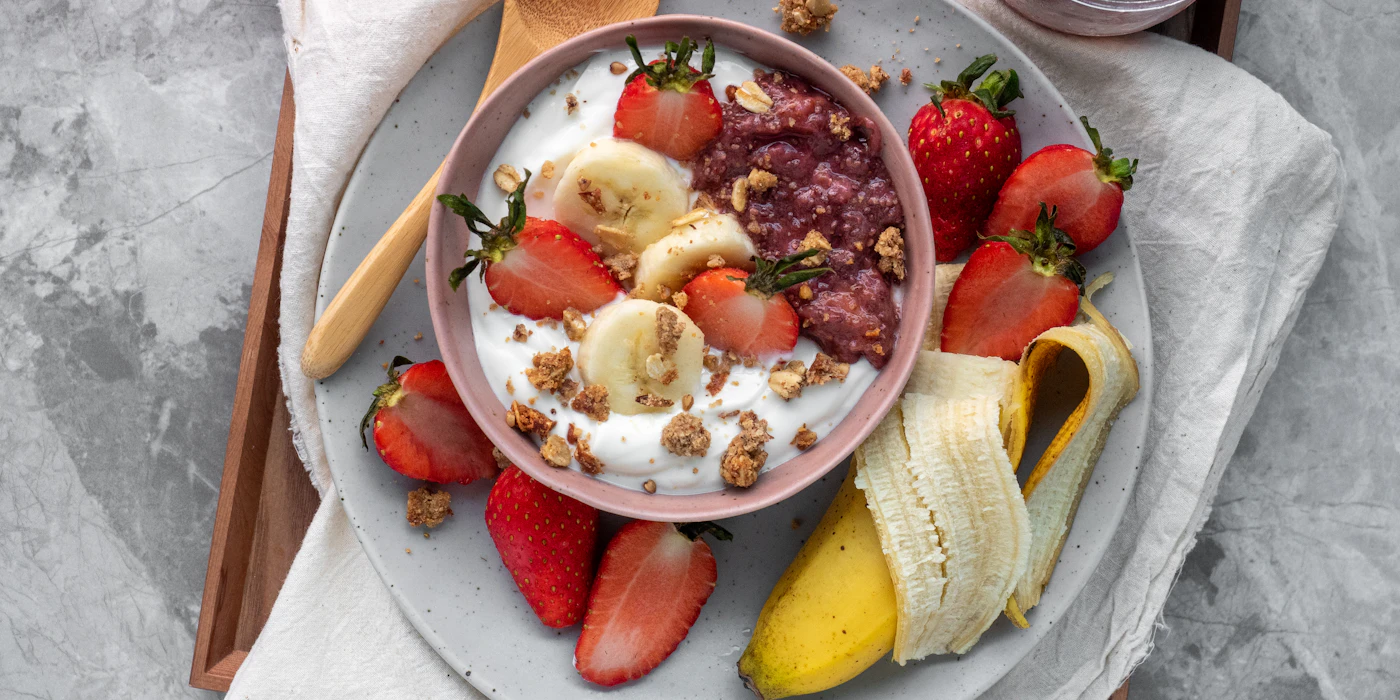
- Yogurt, especially with live active cultures, often sits fine even when milk doesn't: the bacteria pre-digest some of the lactose for you.
- Butter is nearly lactose-free; the fat-separation process leaves the sugar behind in the buttermilk.
Test these deliberately rather than assuming they're off-limits. A lot of "I can't have dairy" turns out to mean "I can't have milk and ice cream" — a much smaller restriction.
The food-by-food breakdown
Protein powder deserves its own callout, since it trips people up: whey concentrate carries meaningfully more lactose than whey isolate or hydrolysate, and it's an easy thing to overlook when you're focused on macros instead of the ingredient list. (Whey protein isolate vs. concentrate for lactose intolerance, and what to check on the label.)
Three practical strategies (use them together)
1. Find your threshold
Most people with lactose intolerance can handle some lactose — research commonly puts single-sitting tolerance around 12 g (roughly a cup of milk) for many people, especially alongside other food. That means a splash of milk in coffee, or a slice of pizza, may sit fine even if a milkshake doesn't. Find your number gradually and specifically, rather than guessing from a general rule. (If you want a definitive answer first, here's how testing works.)
2. Swap, don't eliminate
Lactose-free milk, yogurt, and cheese are the same products with the lactose already broken down by added lactase — same taste, same nutrition, same calcium. For dairy you're buying and controlling (the fridge at home), this is usually the easiest fix, and it means you're not giving up nutrients you'd otherwise have to replace. (Lactose-free is not the same thing as dairy-free. It is worth knowing the difference.)
3. Cover the dairy you don't control
Lactose-free swaps work at home; they don't work at a friend's dinner table, the work potluck, or the restaurant that doesn't itemize its cream sauces. That's the gap a lactase enzyme supplement covers — taken right before the first bite, it supplies the enzyme your gut is short of for that meal specifically. The complete guide to how they work, dosing, and what to look for on a Canadian label is here.
Don't forget what you're replacing
Dairy is a major source of calcium and vitamin D for a lot of people, and the most common mistake in managing lactose intolerance is cutting dairy broadly and not replacing what it was providing. If your dairy intake drops significantly, make sure calcium and vitamin D are coming from somewhere — fortified plant milks, canned salmon with bones, leafy greens, tofu, or a supplement if your doctor suggests one. Lactose-free dairy sidesteps this problem entirely, since the nutrition profile is unchanged.
What doesn't belong in a lactose intolerance diet plan
A few things worth clearing up, because "diet for lactose intolerance" searches turn up a lot of noise:
- It's not a treatment or cure. Diet changes and lactase supplements manage the symptoms of the dairy you eat; they don't restore lactase production. (More on why "cure" claims for lactose intolerance don't hold up.)
- It's not the same diet as for a milk allergy. Someone with a milk allergy needs to avoid milk protein entirely, including lactose-free products, which still contain it. If reactions involve hives, swelling, or breathing trouble, that's a different condition. See the difference here, and lactase enzyme won't help.
- It's not one-size-fits-all. Thresholds vary widely between people. A diet built around someone else's tolerance (or a generic "avoid all dairy" list) will either under- or over-restrict you.
FAQ
What foods should I avoid with lactose intolerance?
High-lactose foods eaten in large amounts: milk, ice cream, soft fresh cheeses, cream-based sauces, and milk-based desserts. You don’t need to avoid dairy entirely — most people can handle low-lactose dairy like aged cheese, butter, and yogurt just fine.
Is there a cure or treatment for lactose intolerance?
There’s no treatment that restores lactase production for primary (age-related) lactose intolerance. Management — lower-lactose choices, lactose-free dairy, and lactase supplements with dairy you didn’t choose — works well; it isn’t a cure.
Can I still eat cheese and yogurt?
For most people, yes. Aged cheeses (cheddar, parmesan, gouda) have only trace lactose, and yogurt’s live cultures pre-digest some of theirs. These are usually the first foods people with lactose intolerance find they can keep without issue.
Do I need calcium supplements if I cut back on dairy?
Possibly — talk to your doctor. Fortified plant milks, canned salmon with bones, leafy greens, tofu, and lactose-free dairy all supply calcium without the lactose, so a supplement isn’t automatic, but it’s worth checking your intake rather than assuming.
What’s the difference between managing and treating lactose intolerance?
Management (diet choices, lactase supplements) addresses the symptoms around the dairy you eat. Treatment implying a cure — something that permanently restores lactase production — doesn’t exist for the common, age-related form. Anyone claiming otherwise isn’t describing lactose intolerance accurately.
Sources
- NIDDK: Eating, Diet, & Nutrition for Lactose Intolerance (food-by-food guidance, calcium/vitamin D)
- Misselwitz et al., Lactose malabsorption and intolerance: pathogenesis, diagnosis and clinical management, Gut (2019) (dose tolerance, dietary management evidence)
- Health Canada: Canada's Food Guide (calcium/vitamin D sources beyond dairy)
Written and fact-checked by the Lackees editorial team against the sources cited above, following the standards we write by. This article is for general information and isn’t medical advice. It isn’t reviewed by a physician, pharmacist, or registered dietitian. Talk to a healthcare provider about symptoms or before starting any supplement. Lackees is a chewable lactase product that's pre-launch and pending Health Canada Natural Health Product review; nothing here is a claim about an approved or available product.